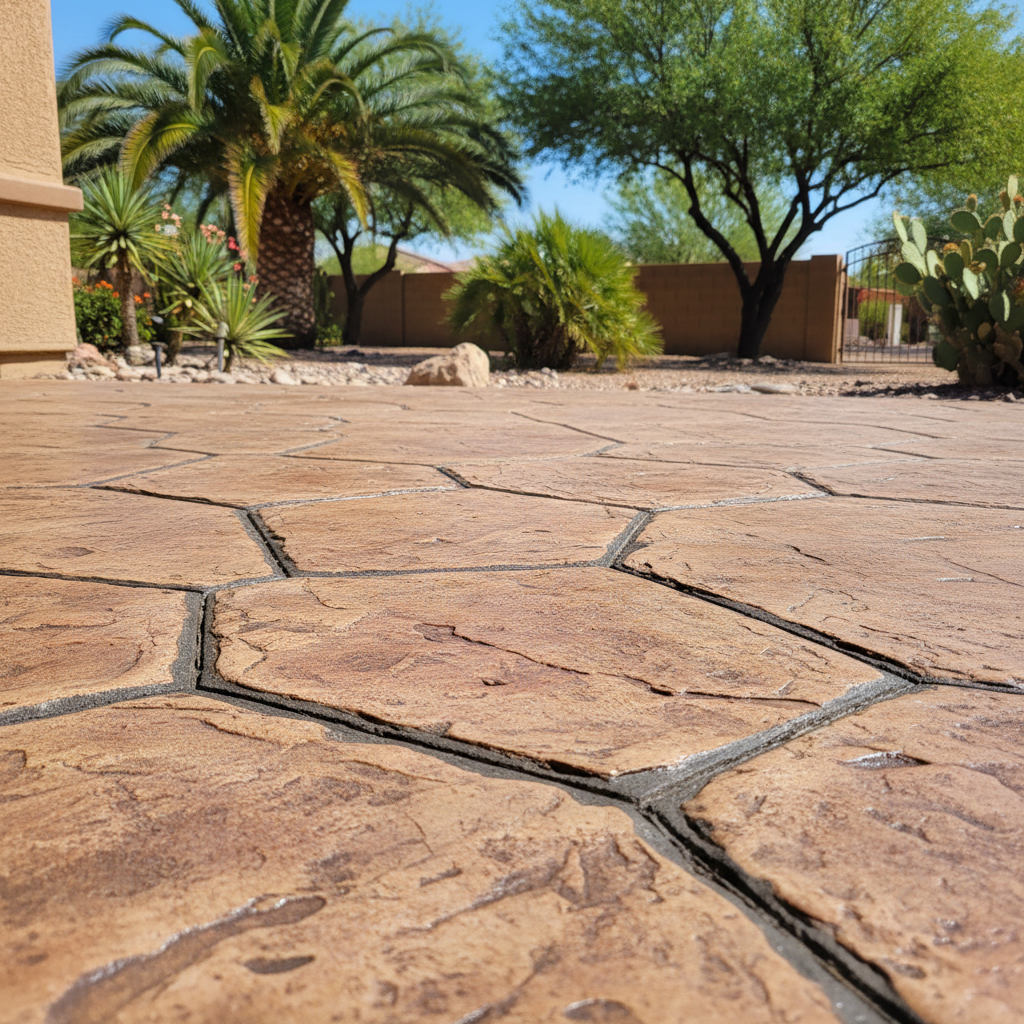
So, you're thinking about decorative concrete for your place here in Avondale, huh? Maybe that plain old gray slab is just not cutting it anymore, or you've seen some amazing stamped patios around Goodyear and thought, 'Yep, I need that!' It's a fantastic way to really boost your home's curb appeal and make those outdoor spaces pop. But before you jump in, you really need to get a handle on what's involved, what you can realistically tackle yourself, and when it's definitely time to just pick up the phone and call a pro.
Before You Even Start: Planning & Expectations
First things first, what kind of decorative concrete are we even talking about? There's stamped concrete, which can look like stone, brick, or even wood. Then you've got stained concrete – that's where you use acid or water-based stains to get a see-through color. Overlays can give existing concrete a whole new decorative surface. Oh, and don't forget polished concrete for inside floors, but honestly, that's a completely different animal.
Your biggest decision right off the bat is whether you're working with concrete you already have or pouring something brand new. If your current slab has cracks, uneven spots, or serious damage, you're looking at repair or replacement first. You just can't stamp over a broken patio and expect it to look good or last. That's a basic truth you can't get around.
For DIYers, staining an existing, structurally sound concrete slab is probably your easiest bet. You can rent the gear, buy the stains, and follow the directions. It's a lot of work, sure, but totally doable for someone who likes a weekend project. Just remember, the final color can be a little unpredictable, especially with acid stains, because they react with the concrete's minerals. Always, always test a small, hidden area first. No, really, do it.
For anything that involves pouring new concrete, stamping, or complicated overlays, you're usually much better off with a professional. The precision needed for stamping patterns, the exact timing for pouring and finishing, and the sheer weight of the materials — that's serious business. It's not just about mixing concrete; it's about understanding how it behaves in our intense Avondale heat and dry climate. A pro knows things like slump, how long it takes to cure, and how to stop surface crazing when the sun's blazing at 110 degrees.
During the Project: What's Involved?
Okay, let's say you're going for the DIY staining route. You'll need to clean the surface really, really well. And I mean really well. Any dirt, grease, or old sealers will stop the stain from soaking in evenly, and you'll end up with splotches. Pressure washing is a good start, then scrub it with a degreaser. After that, you might need to etch the concrete to open up its pores. This often means using an acid solution, so proper safety gear — gloves, eye protection, a respirator — isn't something you can skip. It's essential.
You can apply the stain itself with a sprayer, roller, or brush, depending on the look you're after. You might even need a few coats. The trick is to put it on evenly and avoid any puddles. Once it's dry, you'll neutralize any leftover acid stain residue and then seal it. Sealing is super important, especially here in Avondale, to protect against UV rays, foot traffic, and spills. A good sealer will make all your hard work last.
Now, if you're thinking about stamping, that's usually where most DIYers hit a wall. Stamping needs special tools — big, heavy mats that you have to place and press into fresh concrete at just the right moment. The concrete has to be the perfect consistency, not too wet, not too dry. This "window of opportunity" can be incredibly short, especially with a large area or our quick-drying Arizona air. If you miss that window, your patterns won't be crisp, or worse, you'll mess up the surface. Plus, you need a crew. It's definitely not a one-person job. Believe me, I've seen homeowners try, and it usually costs more to fix than if they'd just hired someone from the start.
For bigger projects, like a new stamped concrete patio in your backyard in the Garden Lakes area, you're looking at excavation, getting the sub-base just right, putting in rebar or mesh, pouring, finishing, and then the decorative work. Every single step is crucial, and a mistake at any point can ruin the whole thing. That's where folks like us at Avondale Concrete Solutions come in. We've got the equipment, the experience, and the crew to get it done right, the first time around.
After the Work is Done: Maintenance & Longevity
Whether you stained it yourself or hired a pro for stamping, maintenance is key to keeping your decorative concrete looking sharp. The most important things are regular cleaning and resealing. For stained or stamped concrete, plan on resealing every 2-5 years, depending on how much traffic it gets and how much sun it sees. Our intense Arizona sun is brutal on sealers, so don't skip this step. It protects the color and the concrete itself from fading, staining, and wear.
Clean it with a mild detergent and water. Stay away from harsh chemicals or abrasive cleaners, which can strip the sealer or damage the surface. If you spill something like oil or grease, clean it up right away. The longer it sits, the harder it is to remove, and it could leave a permanent mark. For stamped concrete, keep an eye out for any small chips or cracks that might show up over time. Deal with them quickly before they get bigger.
Ultimately, decorative concrete is a fantastic investment for your home. Just be honest with yourself about your skills, your time, and how complicated the project is. Sometimes, trying to save a few bucks upfront can lead to bigger headaches and expenses down the road, you know? Know when to roll up your sleeves and when to call in the experts who do this day in and day out.